
When tooth extraction becomes necessary
Tooth extraction is always considered when a tooth can no longer be preserved despite the most modern root canal treatments or restorative measures. Common reasons include fractures of the tooth root after trauma, advanced destruction of the tooth crown or severe inflammation of the periodontium that has already spread to the jawbone. Extraction may also be necessary as part of orthodontic treatment in cases of extreme space deficiency or to remove displaced wisdom teeth.
At The Eram Clinic, we carry out a comprehensive diagnosis before making any decisions. Using high-resolution digital X-rays, we analyse the position of the roots and the condition of the surrounding bone. Our goal is to view the procedure not only as a removal, but as preparation for the future. Especially if a dental implant is planned afterwards, we attach great importance to completely preserving the surrounding tissue and the bone socket (alveolus). This so-called ‘atraumatic extraction’ is essential to ensure a stable foundation for the subsequent dental prosthesis.
The process of gentle extraction
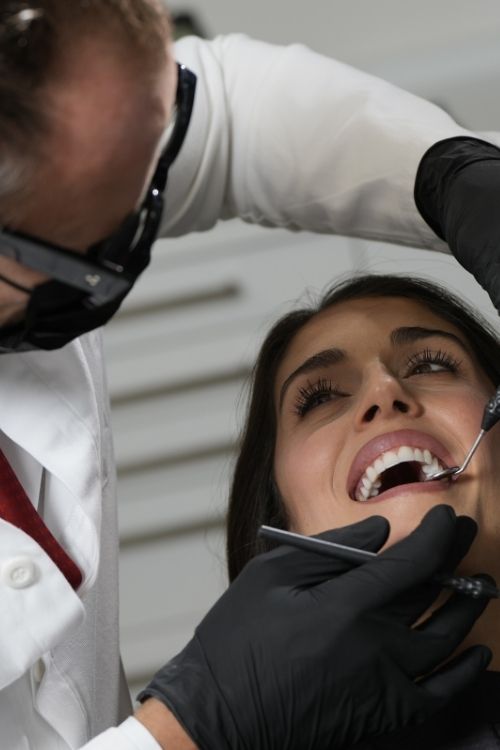
Many patients associate tooth extraction with discomfort. At The Eram Clinic, we do everything we can to change this perception. Every procedure is performed under highly effective local anaesthesia, which guarantees pain-free treatment. For particularly sensitive patients, we also offer the option of treatment under twilight sedation or general anaesthesia. We use specialised instruments that allow us to gently loosen the tooth from its socket instead of removing it with excessive force. This technique protects the gums and minimises post-operative discomfort and swelling.
After the tooth has been removed, the socket is carefully cleaned to completely eliminate any sources of inflammation. In many cases, we perform ‘socket preservation’ – a procedure to preserve the bone socket. This involves stabilising the empty socket with bone replacement material to prevent the jawbone from collapsing in the first few weeks after extraction. This forward-looking approach at The Eram Clinic guarantees that all options for highly aesthetic dental prostheses will be available to you later on, without the need for costly bone augmentation.
Why professional tooth extraction is an excellent choice for your health
Removing a diseased tooth is often the first step towards a pain-free life and an improved quality of life. A chronically inflamed tooth puts strain on the entire immune system and, in the worst case, can promote inflammation in other parts of the body. Professional extraction in a specialised clinic prevents the spread of bacteria and creates space for modern, healthy restorations. You are investing in the integrity of your masticatory system and laying the foundation for an aesthetic reconstruction that will give you back your carefree smile.
Advantages of tooth extraction
- Painless treatment: Individual anaesthesia concepts for a stress-free and comfortable procedure.
- Atraumatic technique: Maximum protection of bone and gums for rapid healing.
- Digital planning: Precise analysis of root anatomy to avoid complications.
- Proactive bone preservation: Optional stabilisation of the bone compartment for later implants.
- Holistic care: Comprehensive advice on complete care after extraction.
| Duration of procedure | Approximately 20–45 minutes (depending on complexity) |
| Healing phase | Primary wound healing after approximately 7–10 days |
| Resilience | Soft food recommended for the first few days |
| Anaesthesia | Local, twilight or general anaesthesia possible |
| Aftercare | Follow-up appointment for wound check after one week |
Aftercare and synergies
At The Eram Clinic, our care does not end with the removal of the tooth. Professional aftercare is the key to complication-free wound healing. We provide you with detailed instructions on how to care for the wound site in the first few days. In order to reduce the bacterial load in the oral cavity in advance and optimise the chances of healing, we often recommend prior professional dental hygiene. Clean conditions in the oral cavity are the best insurance against wound infections.
In the days following the extraction, you should refrain from physical exertion, saunas and smoking so as not to interfere with the formation of a stable blood clot in the wound. Once healing is complete, we will work with you to plan a seamless transition to high-quality dentures. Whether with a bridge or a dental implant, we ensure that the gap is closed quickly and aesthetically. In our modern practice in Zurich, we accompany you through every step of this process with empathy and expertise.
Procedure
We attach great importance to honest communication about the procedure and the period after tooth extraction. Each patient receives a tailor-made healing plan.
Your dental health in experienced hands
Leave your fears behind and rely on treatment that focuses on your comfort. At The Eram Clinic in Zurich, we combine surgical precision with exclusive patient care. Secure your appointment for a consultation and find out how we can help you achieve lasting oral health with gentle extractions and modern follow-up solutions.
Frequently asked questions about tooth extraction
You will feel no pain during the procedure thanks to the anaesthetic. Once the anaesthetic wears off, you may experience some pain at the site of the extraction, but this can be easily controlled with standard painkillers recommended by us. Most patients find that the days following an atraumatic extraction are surprisingly unproblematic.
You should wait until the numbness from the local anaesthetic has completely worn off. Afterwards, it is advisable to eat soft foods for two to three days and to avoid chewing in the area of the wound.
From a medical point of view, a gap should be filled promptly to prevent neighbouring teeth from tilting or the jawbone from deteriorating. Before the extraction, we will discuss with you whether immediate implantation is possible or how the bridge restoration will be planned.
We strongly advise you to refrain from smoking for at least 3 to 5 days. Nicotine significantly impairs blood circulation in the gums and is one of the main causes of wound healing disorders (such as painful dry socket).
This involves preserving the tooth socket. Immediately after extraction, we fill the empty socket with a special material to preserve the natural volume of the jaw. This is particularly important if you want an aesthetically perfect implant later on.
