

When a root tip resection becomes necessary
A root tip resection is usually considered when inflammation in the area of the root tip (apical osteitis) persists or flares up again after previous root canal treatment. In some cases, the root canal is not fully accessible via the tooth crown due to anatomical peculiarities, severe curvature or previous root fillings. If bacteria remain in this area, they can cause chronic pain, cyst formation or even abscesses that damage the jawbone.
At The Eram Clinic, we use high-resolution digital diagnostics to accurately determine the extent of the inflammation. Root tip resection is often the last resort to avoid tooth extraction and the subsequent use of dentures. We consider this procedure to be an investment in your biological substance. Through surgical access from the outside, we can precisely shorten the root tip and completely remove the inflamed tissue in the bone, enabling a chance of healing that would no longer be possible using conventional methods.
The surgical procedure
At our clinic in Zurich, we attach great importance to a minimally invasive approach. A root tip resection is performed under local anaesthetic, so the procedure is completely painless for you. On request, we also offer treatment under twilight sedation. First, a small incision is made through the gum and jawbone to expose the affected root tip.
The crucial step is to shorten the root tip by a few millimetres. This involves removing the fine side canals, which are often colonised by bacteria. A key factor in the success of The Eram Clinic is the subsequent ‘retrograde root filling’. This involves cleaning the root canal from the tip and sealing it with a special, biocompatible material that is impervious to bacteria. After thoroughly cleaning the bone compartment, the gums are closed with the finest sutures, which promotes rapid healing with few complications.
Why a root tip resection is an excellent choice for preserving your teeth
Opting for a root tip resection is a decision in favour of preserving your natural teeth. Nothing is as valuable as your own tooth substance, as it is firmly connected to the body via the periodontium and provides a natural chewing sensation. Successful resection not only prevents tooth loss, but also eliminates the need for bridges or dental implants, which often involve greater time and financial expenditure. At The Eram Clinic, we combine many years of surgical experience with state-of-the-art materials to maximise the success rate of this procedure and preserve your tooth as a stable pillar in your dentition.
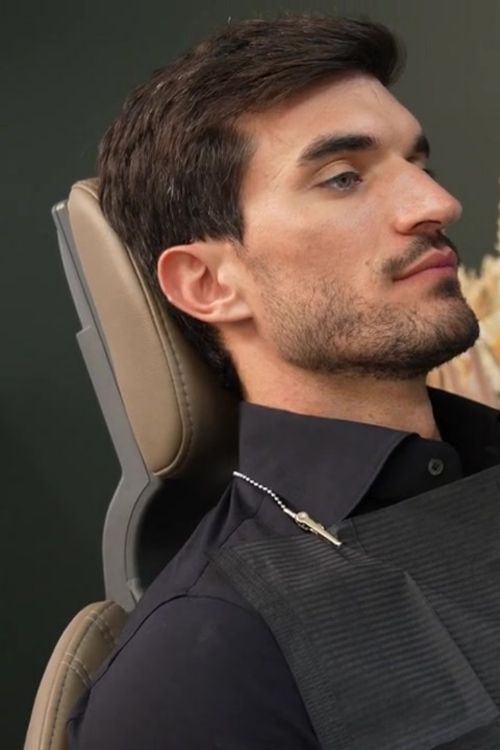
Advantages of root tip resection
- Tooth preservation as a priority: Effective rescue of a tooth that would otherwise have to be extracted.
- Minimally invasive surgery: Tissue-sparing access for less post-operative swelling.
- Bacteria-proof sealing: Retrograde filling with state-of-the-art materials for long-term success.
- Pain-free treatment: Highly effective local anaesthesia and empathetic patient care.
- Safety through diagnostics: Precise planning of the procedure using digital imaging.
| Duration of procedure | Approximately 30–60 minutes |
| Healing phase | Sutures removed after approximately 7 days |
| Success monitoring | X-ray check after approximately 3 to 6 months |
| Anaesthesia | Local, twilight or general anaesthesia possible |
| Goal | Complete freedom from pain and preservation of tooth substance |
Healing and integration into your overall aesthetic appearance
After a root tip resection, the focus is on undisturbed wound healing. At The Eram Clinic, we closely monitor you during the first few days after the procedure. In order to reduce the bacterial load in the oral cavity in advance, we often recommend prior professional dental hygiene. Clean conditions in the oral cavity significantly promote the healing process of the mucous membrane and bone.
In the days following the operation, you should avoid physical exertion and cool your cheek to minimise swelling. Once the tooth has settled and the inflammation in the bone has healed, it can be fully loaded again. A successfully preserved tooth often forms the basis for further aesthetic measures such as a new crown or integration into an overall concept with veneers. We ensure that the health of your tooth roots forms a solid foundation for your radiant smile.
Procedure at The Eram Clinic
We attach great importance to clear communication about the prognosis and the course of treatment. Each case is analysed individually in order to achieve the best possible success rate.
Fight for every tooth
Rely on specialised expertise when it comes to preserving your teeth. At The Eram Clinic in Zurich, we combine surgical precision with state-of-the-art endodontics. Secure your appointment for a consultation and find out how we can preserve the health of your smile with professional root tip resection.
Frequently asked questions about root tip resection
No. Thanks to modern local anaesthetics, you will feel absolutely nothing during the operation. After the procedure, you may experience slight pain or swelling, but this can be easily managed with conventional painkillers and cooling.
Success rates are very high today, especially when the procedure is performed using modern techniques such as retrograde sealing. At The Eram Clinic, we do everything we can to create the optimal conditions for permanent healing.
As a general rule, you should take it easy physically on the day of the procedure and the following day. Depending on your occupation, you will be fully fit for work again after 1 to 2 days. In the case of more extensive procedures, we will advise you individually on the duration of the rest period.
The only alternative in cases of persistent inflammation at the root tip is usually tooth removal (tooth extraction). However, as we prefer to preserve your natural teeth, we always carefully check in advance whether root canal treatment or revision of the root canal treatment is possible.
We recommend that you refrain from smoking for at least one week. Nicotine impairs blood circulation in the gums and can seriously jeopardise bone healing and wound closure.
